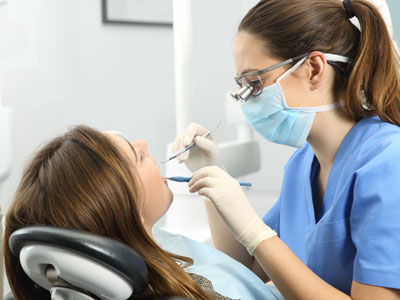
Even with careful daily brushing and flossing, some areas of the mouth remain difficult to clean thoroughly. That’s where professional dental cleanings play an essential role: they remove hardened deposits, uncover early signs of problems, and give your mouth a level of preventive care that at-home routines simply can’t match. At Brilliant Dental of Salem, we emphasize routine cleanings as a cornerstone of long-term oral health and comfort.
Daily oral hygiene is the foundation of a healthy mouth, but plaque can harden into tartar in places your brush and floss can’t easily reach. Tartar—mineralized plaque—creates a rough surface that attracts more bacteria and helps gum inflammation progress. Professional cleanings remove these deposits and reduce the bacterial load that contributes to cavities and periodontal issues.
Cleanings also give clinicians a chance to catch early warning signs before they become larger problems. During a routine visit, hygienists and dentists look for gum inflammation, recession, unusual wear patterns, and early decay. Detecting these issues early often allows for simpler interventions and less invasive care later on.
Beyond oral health, maintaining healthy gums supports overall wellbeing. Research links moderate and severe gum disease with systemic conditions such as diabetes and heart disease. While cleanings are not a cure-all, they form part of a broader preventive strategy that helps protect both your smile and general health.
Every cleaning begins with an exam to assess the state of your teeth and gums. The hygienist will review your medical and dental history and check for signs of inflammation, bleeding, pockets between teeth and gums, and any unusual findings that may need closer attention by the dentist.
The cleaning itself typically combines ultrasonic scaling with hand instruments. Ultrasonic devices use gentle vibrations and water to loosen deposits, while hand scalers refine and remove stubborn tartar. Using both methods allows hygienists to clean effectively and comfortably, adapting to each patient’s needs and sensitivity levels.
After deposits are removed, teeth are smoothed and polished to remove surface stains and plaque residue. The team will finish with targeted flossing and a final check to ensure you leave with a fresh feel. If you have sensitivity or anxiety, your provider will discuss options such as topical desensitizers or brief pauses to make the visit more comfortable.
Not all mouths are the same, and cleanings are tailored to fit each patient’s risk profile. Factors like smoking, diabetes, genetic predisposition, or certain medications can increase your susceptibility to gum disease. Hygienists evaluate pocket depths, gum attachment, and bleeding to determine whether a routine cleaning is sufficient or if more frequent visits or specialized periodontal care are recommended.
Patients with early signs of gum disease benefit from closer monitoring and customized at-home regimens. This might include more frequent professional cleanings, instruction on effective brushing and interdental cleaning techniques, and guidance on lifestyle changes that support gum health. Ongoing communication between the patient and the dental team ensures care adapts as needs change.
For those with advanced periodontal concerns, the dental team will outline a focused treatment plan that complements routine cleanings. The emphasis is on controlling infection, stabilizing gum tissues, and preventing further structural damage—always with the goal of preserving natural teeth and improving oral comfort and function.
Beyond health benefits, cleanings refresh the appearance and sensation of your teeth. Polishing removes surface discoloration from coffee, tea, and other common causes of staining, giving teeth a cleaner, brighter appearance without aggressive whitening. Patients often report an immediate improvement in how their teeth feel—smoother and less coated—after a professional polish.
Cleanings also reduce bad breath by lowering bacterial buildup and helping resolve areas of trapped food and debris. Hygienists will demonstrate targeted techniques for cleaning between teeth and along the gumline to help extend the benefits of the cleaning at home. Small adjustments—like switching floss types or refining brushing angles—can make a significant difference.
To protect the results, the team will discuss practical maintenance strategies: effective daily habits, the best tools for your mouth, and dietary tips that minimize staining and enamel wear. These simple measures help keep your smile looking brighter and feeling healthier between visits.
Preparation for a cleaning is straightforward: bring any updated medical information and a list of current medications, especially if your health has changed since your last visit. If you experience dental sensitivity or have had recent procedures, let the office know so your hygienist can adjust the approach for your comfort.
Most patients return to normal activities immediately after a routine cleaning. You may notice temporary sensitivity or mild gum tenderness for a day or two—this is common and typically resolves quickly. If your cleaning involved deeper work, the team will provide specific aftercare recommendations to promote healing and minimize discomfort.
Establishing a regular schedule for professional cleanings is one of the simplest, most effective steps you can take for lasting oral health. Your dental team will recommend an interval based on your unique needs and will work with you to keep appointments convenient and purposeful.
Regular dental cleanings are a practical investment in oral and overall health. If you’d like to learn more about how professional cleanings can fit into your preventive care routine, contact us for more information. Our team at Brilliant Dental of Salem is ready to answer your questions and help you maintain a healthy, confident smile.


A professional dental cleaning is a clinical procedure performed by a licensed hygienist or dentist to remove plaque, tartar and surface stains that routine home care can miss. The process includes a careful assessment of gum health and visual checks for early signs of decay or unusual wear. Cleanings support prevention by reducing the bacterial burden that contributes to cavities and periodontal disease.
During the appointment the clinician uses a combination of ultrasonic instruments and hand scalers to loosen and remove mineralized deposits, then polishes teeth to smooth enamel and reduce future buildup. The visit also provides an opportunity to reinforce effective at-home hygiene techniques and to update your medical and dental history. Regular professional cleanings are one component of a comprehensive preventive plan for long-term oral health.
Daily brushing and flossing form the foundation of oral health, but plaque can calcify into tartar in locations that are hard to reach with a toothbrush or floss. Once tartar forms it creates a rough surface that harbors bacteria and promotes inflammation, accelerating gum disease and increasing the risk of decay. Professional cleanings remove those hardened deposits and reduce the environment that fosters harmful bacteria.
Cleanings also allow clinicians to detect early warning signs such as gum recession, pocketing or small areas of decay before they require more invasive treatment. Early detection often leads to simpler, more conservative care and helps maintain natural teeth longer. In this way, routine cleanings contribute to both oral health and overall wellbeing.
A standard cleaning begins with a review of your medical and dental history and an oral exam to check gum condition, bleeding and any unusual findings. The hygienist then uses ultrasonic scaling to break up large deposits and hand instruments to remove stubborn tartar along the gumline and between teeth. After scaling, teeth are smoothed and polished to remove surface stains and remaining plaque residue, then flossed and checked for comfort.
If sensitivity or anxiety is a concern, the clinician will adjust the technique and discuss options such as topical desensitizers or short breaks to make the visit more comfortable. Any findings that require further evaluation are communicated to the dentist for diagnosis and a follow-up plan. The overall goal is effective cleaning combined with personalized comfort and safety.
The typical interval for professional cleanings is every six months for patients with good oral health, but the ideal frequency varies based on individual risk factors. People with a history of periodontal disease, smokers, those with diabetes or patients taking certain medications may need more frequent visits to control inflammation and prevent progression. Your hygienist and dentist will assess pocket depths, bleeding and other indicators to recommend a personalized schedule.
Adjusting the interval helps manage risk and maintain stability after treatment, and it gives the dental team opportunities for ongoing monitoring. If your oral health changes, your recommended schedule can be updated to reflect new needs and to support long-term maintenance. At Brilliant Dental of Salem our team works with patients to set intervals that balance preventive benefit and convenience.
Most patients experience minimal discomfort during a routine cleaning, with sensations described as scraping, vibration or mild pressure from instruments. Areas with inflamed gums or heavier tartar buildup can feel more sensitive, and sensitivity sometimes persists for a short time after the appointment. Clinicians are trained to work gently and to pause or adjust technique if a patient reports discomfort.
If you have known sensitivity or dental anxiety, discuss this before the appointment so the hygienist can offer strategies such as topical desensitizers, slower scaling or brief breaks during the procedure. Good communication during the visit helps ensure a safer and more comfortable experience. Post-appointment sensitivity typically resolves within a day or two and can be managed with at-home care guidance from your clinician.
Dental cleanings remove tartar and plaque that contribute to bacterial colonization and gum inflammation, which are central factors in the development of gingivitis and periodontitis. By lowering the bacterial load and smoothing root and tooth surfaces, cleanings reduce pockets where bacteria can thrive and restore healthier tissue conditions. Regular monitoring during cleanings also identifies early signs of gum disease so treatment can begin before significant tissue loss occurs.
For patients showing early disease, hygienists provide targeted instruction on brushing, interdental cleaning and lifestyle changes that support healing. In more advanced cases, cleanings are combined with focused periodontal therapy to control infection and stabilize gum attachment. Ongoing maintenance visits then help preserve treatment gains and protect natural teeth from further damage.
Preparation for a cleaning is straightforward: bring an updated list of medications and any changes to your medical history, and let the team know about recent dental work or current oral symptoms. If you feel anxious or have had sensitivity with past appointments, mention that when scheduling so staff can plan accommodations. There is no special pre-appointment routine required beyond your normal oral hygiene.
Arrive a few minutes early if you need to complete paperwork or have questions for the hygienist or dentist. Clear communication about your health, medications and concerns helps the team tailor the visit and ensure safe, effective care. If you are unsure whether your situation requires special consideration, the office staff can advise you when you call to schedule.
Yes. Professional polishing removes many surface stains caused by coffee, tea, tobacco and food, leaving teeth looking cleaner and feeling smoother without aggressive whitening treatments. While cleanings do not change intrinsic color the way bleaching products do, they often produce a noticeably fresher and brighter appearance by eliminating external discoloration. Patients frequently report improved texture and a cleaner feel immediately after a polish.
To help maintain those cosmetic benefits, clinicians offer practical tips on diet, stain-reducing habits and the best oral hygiene tools for your mouth. Simple adjustments—like switching floss type, refining brushing angles or moderating stain-producing beverages—can extend the results between visits. Regular professional maintenance preserves both the health and appearance of your smile over time.
Certain medical conditions and medications can influence oral health and the approach to cleanings, so it is important to provide a complete medical history and current medication list. Conditions such as diabetes, autoimmune disorders or cardiovascular disease affect healing and inflammation, and some medications cause dry mouth or increase bleeding risk. The hygienist and dentist review this information to tailor care and to coordinate with your medical providers if necessary.
For patients on blood thinners or with implanted medical devices, clinicians follow established protocols to ensure safety and appropriate timing of procedures. Communication about recent surgeries, pregnancy status or changes in health helps the dental team make informed decisions and provide the most effective, individualized care. If you have specific concerns, discuss them during the appointment scheduling process so the team can prepare accordingly.
After deeper cleaning procedures intended to treat periodontal disease, you can expect some tenderness, mild bleeding and increased sensitivity that typically diminishes over several days to weeks as tissues heal. The dental team provides clear aftercare instructions, which may include gentle oral hygiene modifications, prescribed rinses or short-term recommendations to minimize irritation. Follow-up visits are scheduled to monitor healing, re-evaluate pocket depths and determine ongoing maintenance needs.
Successful periodontal therapy usually requires more frequent maintenance cleanings and close communication between patient and clinician to control infection and preserve attachment. Adhering to the recommended home care routine and attending follow-up appointments significantly improves long-term outcomes. Our team at Brilliant Dental of Salem will explain aftercare in detail and help you develop a maintenance plan that supports healing and stability.
Ready to schedule your next dental appointment or have questions about our services?
Contacting Brilliant Dental of Salem is easy! Our friendly staff is available to assist you with scheduling appointments, answering inquiries about treatment options, and addressing any concerns you may have. Whether you prefer to give us a call, or fill out our convenient online contact form, we're here to help. Don't wait to take the first step towards achieving the smile of your dreams – reach out to us today and discover the difference personalized dental care can make.