At the office of Brilliant Dental of Salem, we take a proactive approach to oral health because prevention is the simplest path to a long-lasting, confident smile. Regular oral exams are the foundation of that prevention — they let our team spot early changes, discuss habits that affect your teeth and gums, and tailor a care plan that fits your life. During an exam we combine careful observation, a review of your medical history, and targeted diagnostic imaging when needed to paint a complete picture of your oral health.
Your initial exam is more than a quick look — it’s an opportunity to establish a baseline and build a relationship. We start by reviewing your medical and dental histories, including any medications, recent changes in health, and concerns you may have. This helps us interpret findings accurately and consider how systemic conditions or prescriptions might influence oral health.
The clinical portion of the exam covers a head-to-toe inspection of the mouth and related structures. We evaluate each tooth for signs of decay, wear, or damage, examine gum tissue for inflammation or pockets, and check the supporting bone and soft tissues. Part of this assessment includes an evaluation of your bite and temporomandibular joint (TMJ) function, as well as a screening for signs of clenching or grinding that can cause long-term damage.
When indicated, we recommend diagnostic images to see what lies beneath the surface. Digital x-rays reveal early decay, bone levels around teeth, and other issues not visible to the eye. After the exam, your clinician will explain what we observed, outline any recommended next steps, and answer your questions so you leave with a clear understanding of your oral health and options for care.

The mouth is often a mirror of the rest of the body. Many systemic conditions show early signs in the oral cavity, and conversely, untreated dental disease can contribute to broader health challenges. During an oral exam we are not only looking for cavities and gums that need attention, but also for clues that may warrant communication with your primary care provider.
Common health concerns that can be associated with oral conditions include digestive complaints, breathing or respiratory problems, cardiovascular issues, stroke risk factors, diabetes management, and certain neurological conditions. While the relationship between oral and systemic health is complex, awareness of these links helps us provide more holistic care and flag issues for further medical follow‑up when appropriate.
Recognizing symptoms such as persistent dry mouth, unusual ulcers or lesions, unexplained gum bleeding, or a sudden change in taste or breath can lead to earlier diagnosis of medical problems. If we observe signs that suggest an underlying medical condition, we’ll discuss those observations with you and coordinate recommendations with your medical team as needed.

Consistent checkups and professional cleanings are the most effective defense against progressive dental disease. Plaque and tartar harbor bacteria that can lead to cavities and gum inflammation; even excellent home care can miss deposits in tight spaces or below the gumline. Our hygienists use specialized instruments to remove these deposits and polish teeth so the mouth feels healthy and fresh.
Routine visits are also your opportunity for personalized education. We’ll review your brushing and flossing technique, suggest tools or products tailored to your needs, and discuss dietary habits that affect oral health. For children and adolescents, we monitor growth and development and can identify early signs that orthodontic evaluation may be beneficial.
Most patients benefit from regular exams and cleanings at intervals recommended by their clinician — often every six months, though some individuals require more frequent visits based on medical history, gum health, or other risk factors. At Brilliant Dental of Salem, our goal during these visits is to prevent problems before they become more complex and to support you in maintaining a healthy, functional smile for life.
Checkups also allow us to monitor restorations, track changes over time, and intervene early if we see developing concerns. Early treatment is typically less invasive and preserves more natural tooth structure, which is always in the patient’s best interest.
Visual inspection is vital, but many important conditions are hidden beneath the surface. Digital radiography provides a safe, fast way to evaluate the internal structure of teeth, the condition of jawbone, and the relationships between teeth and surrounding anatomical features. These images are an essential complement to the clinical exam.
Modern digital x-rays offer several advantages: they require less radiation than traditional film, produce images instantly so we can review them with you during your visit, and integrate directly into your electronic record for long-term tracking. Digital images can also be enlarged and adjusted to highlight details that help with diagnosis and treatment planning.
Because digital radiographs are stored electronically, they can be easily shared with specialists or other healthcare providers when collaboration is necessary. This streamlined workflow improves coordination of care and helps ensure that decisions are based on the most complete, current information available.
Understanding the role of imaging in diagnosis helps patients feel more informed about recommended procedures. When x-rays are recommended, we’ll explain what they show and how that information affects any recommended next steps.
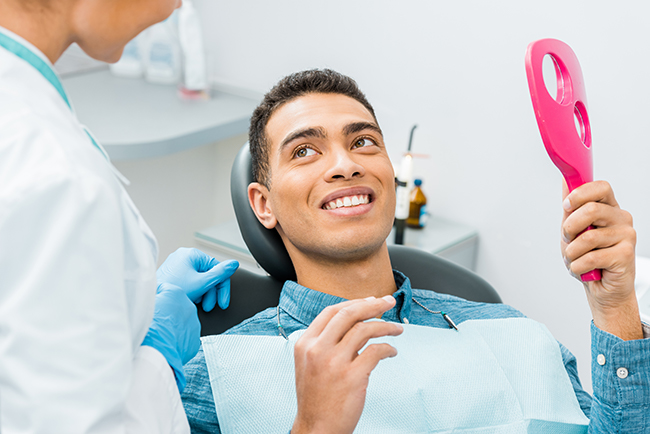
Not all radiographs are the same — different views serve different purposes. A periapical x-ray focuses on a single tooth from crown to root and is useful for diagnosing root or bone issues. Bitewing films are designed to detect decay between teeth and evaluate the height of the bone between teeth. A full‑mouth series combines these views to give a comprehensive snapshot of all teeth and supporting structures.
A panoramic or “panorex” film provides a broad two‑dimensional overview of the jaws and all erupted and developing teeth; it’s especially helpful for assessing impacted teeth, overall jaw anatomy, and extensive restorative planning. Cephalometric images offer a profile view used primarily in orthodontic assessment to evaluate facial growth and jaw relationships.
For complex cases that require three‑dimensional detail — such as implant planning, certain surgical evaluations, or when precise anatomical measurements are needed — cone‑beam computed tomography (CBCT) can generate accurate 3D reconstructions of the teeth, jaws, and surrounding structures. Your clinician will recommend the most appropriate imaging based on your specific needs and explain why it’s useful for your care.
Choosing the right type of image helps us tailor diagnosis and treatment precisely, reducing uncertainty and supporting better outcomes. We balance diagnostic value with safety and will only recommend imaging that is clinically justified for your situation.
In summary, a thoughtful oral exam is more than a routine stop on the calendar — it’s an essential preventive service that protects your smile and helps safeguard your overall health. If you have questions about what to expect at your next exam or would like more information about our approach to preventive care, please contact us for more information.
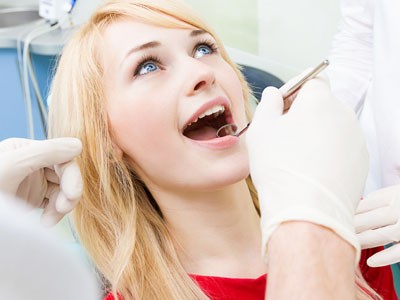

An oral exam is a thorough clinical evaluation of the teeth, gums and related structures. It combines visual inspection, tactile assessment and a review of medical and dental history to identify current problems and potential risks. The clinician looks for cavities, gum disease, soft‑tissue abnormalities and signs of functional issues such as clenching or jaw pain.
Oral exams are important because they allow early detection of conditions that are easier to treat when caught promptly. Preventive findings during an exam guide individualized care plans that can reduce the need for more invasive treatment later. Regular exams also create a baseline for monitoring changes over time and measuring treatment success.
Your first comprehensive oral exam establishes a baseline and creates space for questions about your oral health. We begin with a detailed review of your medical history, medications and any symptoms you are experiencing. The clinical exam includes inspection of each tooth, assessment of gum tissue, evaluation of bite and a screening of the jaw joints and oral soft tissues.
When indicated, diagnostic imaging is obtained to reveal conditions not visible to the eye. After the exam, the clinician will explain findings in plain language and recommend next steps tailored to your needs. This may include preventive advice, hygiene instructions or a treatment plan for restorative or periodontal concerns.
Most adults benefit from an exam and professional cleaning every six months, which allows the team to detect changes before they progress. Patients with a history of periodontal disease, ongoing dental restorations or systemic conditions such as diabetes may require more frequent visits. Children, adolescents and people undergoing orthodontic treatment may also follow a different schedule based on growth and treatment needs.
At Brilliant Dental of Salem, we personalize recall intervals so they reflect your current health and risk profile. During routine visits we compare current findings with previous records and adjust care plans when necessary. If your clinician recommends a shorter interval between exams, they will explain the rationale and expected benefits.
Dental x‑rays are a diagnostic tool that complement the clinical exam by revealing structures hidden beneath the surface. Digital radiographs can show early decay between teeth, bone levels around teeth and the roots of teeth that cannot be assessed visually. Your clinician will recommend imaging only when it is clinically justified to answer specific diagnostic questions.
Modern digital radiography uses less radiation than traditional film and produces images instantly for patient review. Because images are stored electronically, they can be tracked over time and shared with specialists if needed for coordinated care. If advanced three‑dimensional imaging such as CBCT is indicated, your clinician will discuss why it is necessary and how it changes treatment planning.
An oral cancer screening is a routine part of most comprehensive oral exams and involves both visual and tactile evaluation of oral tissues. Clinicians look for persistent sores, white or red patches, lumps, unexplained numbness and any asymmetry in the lips, cheeks, tongue, floor of the mouth and throat. They will also review risk factors such as tobacco use, alcohol use and human papillomavirus exposure as part of the assessment.
Any suspicious findings are documented and monitored or referred for biopsy and specialist evaluation when appropriate. Early detection of abnormal lesions improves the likelihood of successful treatment and less invasive therapy. If a lesion is identified, your clinician will explain the recommended follow‑up steps, which may include short‑interval monitoring, photographic documentation or prompt referral.
Oral health and overall health are closely connected, and findings in the mouth can reflect systemic conditions. For example, changes in gum health, healing responses and patterns of infection can be influenced by diabetes and immune system disorders. Inflammatory conditions of the mouth may also contribute to systemic inflammation that affects cardiovascular health, so clinicians pay attention to patterns that suggest broader medical involvement.
Recognizing these links allows dental teams to flag concerns that may merit communication with medical providers. When appropriate, the dental team will recommend that you share relevant oral findings with your primary care clinician or specialist. Coordinated care supports better management of chronic conditions and helps ensure that dental and medical treatment plans are aligned.
To prepare for an oral exam, bring a list of current medications, your medical history and any recent changes in health or symptoms. If you have dental records, recent x‑rays or notes from another dental provider, bringing them can save time and reduce duplicate imaging. Make a note of specific concerns or questions so you can discuss them during the visit and get clear guidance.
On the day of the exam, maintain your usual oral hygiene but avoid using strong mouth rinses that might mask symptoms. Arrive a few minutes early to complete or update forms and to ensure the clinician has access to any needed information. If you experience symptoms such as pain, swelling or changes in taste, be sure to describe them in detail so the exam can focus on those areas.
Oral exams for children and teenagers emphasize growth, development and prevention as much as disease detection. Clinicians monitor eruption patterns, jaw growth and the alignment of teeth, and they evaluate habits such as thumb sucking or prolonged pacifier use that can affect development. Preventive measures such as fluoride varnish, sealants and dietary counseling are discussed when appropriate to reduce decay risk.
Timing of exams may be more frequent during rapid growth or active orthodontic treatment to track changes closely. Education and behavior guidance are central components of pediatric exams to help children build lifelong oral hygiene habits. Parents are encouraged to participate so they can support home care routines and understand recommended interventions.
If the exam identifies a problem, the first step is a clear explanation of the finding and why it matters. Simple issues such as early cavities or localized gum inflammation can often be managed with conservative treatment, improved home care and short‑term monitoring. More complex conditions may require restorative procedures, periodontal therapy or collaboration with a specialist for surgical or prosthetic care.
Your clinician at Brilliant Dental of Salem will provide a follow‑up plan that includes timing for treatment, preventive measures and criteria for reassessment. Whenever referral is appropriate, we will coordinate information with the specialist to support continuity of care. The goal is to resolve problems efficiently while preserving healthy tooth structure and supporting long‑term oral function.
Many patients feel anxious about dental exams, and practices prioritize strategies that promote comfort and trust during the visit. Open communication with the clinician about fears or past experiences allows the team to tailor the pace of the exam and explain each step before it occurs. Simple measures such as breaks, topical anesthetic for sensitive areas and a quiet, unhurried approach can significantly reduce discomfort.
For patients with higher anxiety, options such as nitrous oxide or other behavior management techniques may be discussed based on clinical suitability. Scheduling a longer appointment or requesting the presence of a support person can also help patients feel more at ease. If you have specific concerns, mention them when you call so the team can prepare and allocate appropriate time.

Ready to schedule your next dental appointment or have questions about our services?
Contacting Brilliant Dental of Salem is easy! Our friendly staff is available to assist you with scheduling appointments, answering inquiries about treatment options, and addressing any concerns you may have. Whether you prefer to give us a call, or fill out our convenient online contact form, we're here to help. Don't wait to take the first step towards achieving the smile of your dreams – reach out to us today and discover the difference personalized dental care can make.